In a dramatic escalation of geopolitical tensions, the United States has agreed to suspend sanctions on Russian diesel exports, a move that has ignited fierce diplomatic backlash in Kyiv and Brussels while offering a potential lifeline to the American voter. The agreement, finalized outside the White House on Saturday, marks a stark departure from the previous administration's strategy, prioritizing domestic energy relief over the continued isolation of Moscow.
The decision comes at a critical juncture. Global fuel supplies are under unprecedented strain due to the effective closure of the Strait of Hormuz, choked by the conflict between Israel and Iran. As a result of these blockades, the cost of petrol and, in particular, diesel has skyrocketed. The American Automobile Association reports that the average price of diesel has surged to $6.28 per gallon, up from $5.94 just a month ago, a figure that has stung the American public and fueled rising inflation.
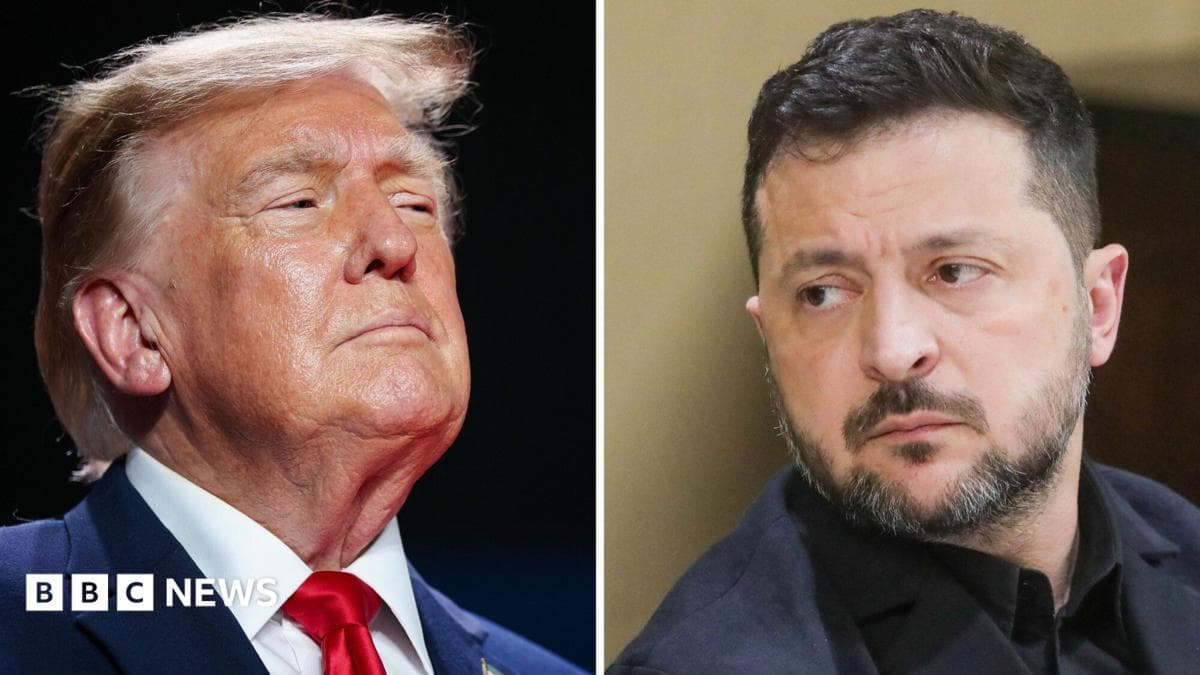
Responding to the criticism from Ukrainian President Volodymyr Zelensky—who warned the deal would provide Moscow with the funds to continue its war—the US President framed the transaction as a necessary evil. "It's time for Ukraine to get a new president," the President declared outside the White House, a provocative statement that suggests he views the Ukrainian leader as an obstacle to peace rather than a partner. He suggested that Zelensky’s authorization of attacks on Russian refineries is causing global problems, arguing that the strikes against energy infrastructure are damaging the world economy.
Under the terms of the deal, Russia will release an initial 300,000 tonnes of diesel to the global marketplace, followed by an additional 500,000 tonnes in November. A further million tonnes are promised, contingent on the condition of Russian refinery operations. This arrangement effectively suspends sanctions on Russian energy exports until April 7. While the White House insists this will lower prices at the pump, Zelensky sees a different reality. He has accused Moscow of using the deal to "keep fighting" and dropping bombs on cities like Zaporizhzhia, arguing that the revenue generated will be used to source new military equipment.
The strategic calculus behind the deal appears deeply rooted in American domestic politics. As the midterm elections approach, the administration is grappling with the political fallout of the Iran war, which has sent energy costs soaring. By securing a deal with Russia, the President is attempting to lower fuel prices, a move that could resonate with voters suffering from the knock-on effects of inflation. The President previously called for new elections in Ukraine last December, arguing that Ukrainian voters should have the choice to replace Zelensky, a proposal that remains on the table despite the suspension of martial law in the country.
However, the move has drawn sharp condemnation from European allies. The European Union’s foreign affairs chief, Kaja Kallas, echoed Zelensky’s concerns, stating that suspending sanctions "provides Moscow with more revenues to wage war." She emphasized that "this is not the time to ease pressure on Russia," and confirmed that European foreign ministers intend to approve the largest set of sanctions on Russia since the full-scale invasion began.
The diplomatic rift highlights the divergent interests of the West. While the United States seeks immediate economic relief, its European partners remain focused on the long-term security of the continent. The United Kingdom, represented by Prime Minister Rishi Sunak, offered solidarity to Kyiv, agreeing that Russia must acquiesce to an "immediate energy ceasefire" and end attacks on Black Sea shipping to stabilize global markets. The British government argues that an end to hostilities in the energy sector would immediately release more energy and food supplies into the global market.
The conflict over energy infrastructure itself is intensifying. Russia and Ukraine have recently ramped up strikes on each other's energy facilities, creating a vicious cycle of retaliation. Ukraine’s drone attacks on Russian refineries have reportedly caused severe fuel shortages in Russia, with production dropping by an estimated 30% according to the International Energy Agency. While these attacks degrade Russia’s war-fighting capacity, they also contribute to the global volatility that necessitated the US-Russia deal in the first place.
As the world watches the implementation of this controversial agreement, the implications remain unclear. The suspension of sanctions provides a temporary reprieve for global markets but leaves a dangerous precedent regarding the durability of economic sanctions. For Ukraine, the deal is a symbolic blow, coming at a time when they are seeking further military aid. For the United States, it is a high-stakes political maneuver aimed at securing a domestic win before the midterms. The coming months will reveal whether this deal can stabilize fuel prices or if it will merely prolong the agony of a war that has already upended global energy security.